

How to Use a Deer Call: The Complete Guide to Grunt Calls, Doe Bleats, and Rattling
A deer call is one of the most effective tools a whitetail hunter can carry into the field. But its effectiveness comes down to knowing which sounds to use, when to use these vocalizations,, and when silence is the better choice.
This guide covers the calling scenarios that matter most, including grunt calls, doe bleats, and rattling, with practical sequences you can apply from early season through the rut.
Why Deer Calling Works
Whitetails communicate through sound, body language, and scent. Vocalizations play a critical role throughout the season, particularly as bucks begin competing for does.
A deer call can imitate several natural sounds, including:
- Buck grunts
- Doe bleats
- Estrus bleats
- Tending grunts
- Rattling antlers from sparring or fighting bucks
|
When used correctly, these sounds can trigger curiosity, territorial behavior, or breeding interest. Deer calling becomes especially powerful during the pre-rut and rut, when bucks are actively searching for does and responding to competition from other bucks. |
 |
Main Types of Deer Calls
Not all deer calls work the same way. Each type imitates a specific sound and serves a different purpose depending on the situation and time of season.
Deer Grunt Call
A deer grunt call imitates the low vocal sound bucks and does make when communicating with other deer. This is a lower volume communication sequence, hunters use it to stop walking deer, get a buck's attention, or create the illusion of another deer in the area.
Buck Grunt Call
A buck grunt call specifically imitates the deeper, more assertive vocalization of a mature or dominant buck. It is one of the most versatile tools a whitetail hunter can carry because it works from early season through the peak rut. The frequency and depth will change slightly throughout the fall, but they communicate with this grunt as more of a pecking order roll call.
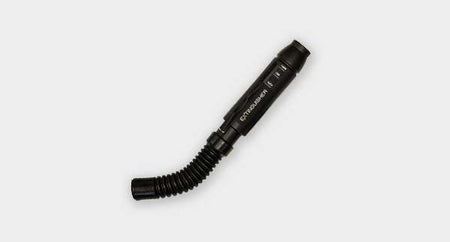
The Extinguisher 2.0 Deer Call from Illusion Systems produces accurate buck vocalizations across a range of tones, making it a reliable option for replicating both young and mature buck sounds from a single call.
Doe Call
A doe call imitates doe vocalizations, including contact bleats and estrus bleats. These sounds attract both does and bucks, especially during the rut. Doe calls are often softer and less confrontational than aggressive buck sounds, making them a strong option on pressured properties or when deer are cautious.
Deer Rattle Call
A deer rattle call imitates the sound of bucks sparring or fighting. Rattling works best when bucks are territorial and competitive during the pre-rut and rut.
The Black Rack Rattling System from Illusion Systems is built to help hunters create realistic rattling sequences without needing to carry real antlers into the woods. They are designed to accurately produce a range of calling from low impact soft sparring sessions, to full out high impact brawls.
How to Use a Deer Grunt Call
How to Grunt Call a Buck
|
Start with short, natural-sounding grunts. Most real deer vocalizations are quick and controlled — not loud or drawn out. A basic sequence looks like this:
The Illusion Systems Extinguisher 2.0 lets hunters shift between buck grunt, doe bleat, and tending grunt sounds without switching tools mid-hunt — useful when deer behavior changes throughout the day. |
 |
How Long Should a Grunt Call Be?
Most grunt calls should be around one second or less. Think of it as a quick, natural sound rather than a drawn-out blast. Always start soft and increase volume only if a deer is at distance or the wind is working against you.
How Often to Grunt Call
When blind calling, every 15 to 20 minutes is a solid starting point. If you can see a deer, only call when you need to stop it or redirect its attention. Overcalling is one of the most common mistakes on pressured properties — call, then wait.
How to Use a Doe Call
Doe bleats and estrus bleats can be highly effective, especially as the rut approaches. While a buck grunt call appeals to dominance and competition, a doe call appeals to breeding behavior and curiosity.
Contact Bleats
A contact bleat is a softer social sound. It can be used earlier in the season or when you want to sound like a calm deer in the area.
Use contact bleats when:
- Deer are feeding nearby
- You want to calm the area
- You are hunting around does
- You want a subtle calling approach
Try 1 to 3 soft bleats, then wait several minutes.
Estrus Bleats
An estrus bleat imitates a doe that may be ready to breed. This sound is most effective during the rut, when bucks are actively searching for does.
Use estrus bleats when:
- Bucks are cruising
- You are hunting travel corridors
- You are near known doe bedding areas
- Rut activity is increasing
A simple sequence is 2 to 4 bleats followed by silence. You can also combine doe bleats with grunts to create the sound of a buck tending a doe.
How to Rattle for Deer
|
Rattling can be one of the most exciting forms of deer calling because it can trigger a direct response from dominant bucks, but it also requires timing, realism, and patience. If you want to know how to rattle for deer, the goal is to imitate two bucks interacting, sometimes that means light sparring; other times it means a more aggressive fight. |
 |
Basic Rattling Sequence
A simple deer rattle call sequence looks like this:
- Start with a few soft grunts with your grunt tube.
- Rattle lightly for 10 to 20 seconds.
- Pause and listen.
- Add more aggressive rattling for 30 to 60 seconds if appropriate.
- Finish with a few grunts.
- Wait 20 to 30 minutes before calling again.
The most important part is what you do after the sequence is being prepared; bucks may come in fast, but they may also circle downwind or approach slowly. Rule of thumb, use light rattling (low impact) leading up to the pre-rut and later winter. Use higher impact fighting techniques during the pre-rut to post-rut.
How to Rattle for Bucks
When learning how to rattle for bucks, consider the mood of the season. Early in the season, light rattling often works better because bucks may only be sparring, during the pre-rut and rut, more aggressive rattling can be effective because bucks are competing for dominance and breeding opportunities.
Use aggressive rattling when:
- You are seeing rut activity
- Bucks are chasing does
- Scrapes are active
- You are hunting near cover
- You have enough wind or terrain to hide your movement
Illusion Systems’ deer calling systems are especially useful for these sequences because they help hunters create realistic rattling sounds while controlling rhythm and intensity.
When Should I Rattle for Deer?
One of the most common questions hunters ask is: when should I rattle for deer?
The best time to rattle is usually during the pre-rut and rut, when bucks are establishing dominance and competing for does. However, rattling can work at different points in the season if you adjust your intensity.
Early Season
Use light rattling sparingly. Bucks may still be in bachelor groups, and aggressive fighting sounds may feel unnatural. Soft tickling or light sparring sounds are usually better.
Pre-Rut
This is one of the best times to rattle. Bucks are becoming more territorial, checking scrapes, and responding to competition. Moderate rattling mixed with grunts can be very effective.
Peak Rut
Rattling can still work, especially if bucks are cruising or locked down near does. However, some bucks may be too focused on a doe to respond. Use rattling near travel corridors, funnels, and bedding cover.
Late Season
Use rattling carefully. Deer have often been pressured, and mature bucks may be less willing to investigate aggressive sounds. Soft grunts or subtle doe calls may be better.
| Season Phase | Best Calls | Calling Style |
| Early Season | Soft Grunts, Contact Bleats | Subtle and Limited |
| Pre-Rut | Buck Grunts, Doe Bleats, Rattling | Moderate and Realistic |
| Peak-Rut | Estrus Bleats, Tending Grunts, Rattling | More Frequent but Purposeful |
| Post-Rut | Soft Grunts, Doe Calls | Conservative and Natural |
| Late Season | Minimal Calling | Low Volume and Cautious |
Sample Deer Calling Sequences
If you’re not sure where to start, use these basic sequences.
Sequence 1: Subtle Grunt Setup
Best for: Early season, pressured deer, close cover.
- 2 soft buck grunts
- Wait 10 minutes
- 1 soft grunt
- Wait and watch
Sequence 2: Rut Cruising Buck Setup
Best for: Pre-rut and rut travel corridors.
- 2 doe bleats
- 2 buck grunts
- Wait 5 minutes
- 1 short tending grunt
- Stay ready
Sequence 3: Rattling Setup
Best for: Pre-rut, rut, active buck sign.
- 2 to 3 buck grunts
- 30 seconds of rattling
- Pause for 1 minute
- 15 more seconds of rattling
- Finish with a grunt
- Wait 20 to 30 minutes
Sequence 4: Aggressive Rut Setup
Best for: Low-pressure areas with mature buck activity.
- 1 doe bleat
- 3 buck grunts
- 45 to 60 seconds of rattling
- Add foot shuffling or leaf noise if hunting from the ground
- Stop and watch carefully
Choosing the Right Deer Calls for Hunting
The best deer calls for hunting are realistic, easy to use, and versatile enough to match different situations.
A good setup includes:
- A versatile deer grunt call
- A doe call or adjustable vocal call
- A deer rattle call
- A plan for when and how to use each one
|
For hunters who want a compact, proven calling setup, Illusion Systems offers two key tools:
Together, they give hunters the ability to build complete calling sequences using grunts, bleats, and rattling. |
 |
FAQs About How to Use a Deer Call
What is the best deer call for beginners?
A deer grunt call is usually the best call for beginners because it is simple, versatile, and useful throughout much of the season. An adjustable call like the Extinguisher Deer Call gives hunters more flexibility because it can create multiple deer sounds.
How often should you use a deer call?
When blind calling, every 15 to 20 minutes is a good starting point. If you can see a deer, only call when you need to stop it, turn it, or get its attention.
How long should a grunt call be?
Most buck grunts should be short, usually around one second or less. Short, natural grunts are more realistic than long, loud calls.
When is the best time to use a doe bleat?
Doe bleats are most effective during the pre-rut and rut, especially when bucks are searching for does. Softer contact bleats can also work earlier in the season.
When should I rattle for deer?
Rattling is usually most effective during the pre-rut and rut, when bucks are competing for dominance and breeding opportunities. Light rattling can work earlier, while more aggressive rattling is best when rut activity is high.
Can you use a grunt call and rattling together?
Yes. Combining grunts with rattling can make the sequence sound more realistic, like two bucks sparring or fighting. A few grunts before and after rattling can help complete the setup.